
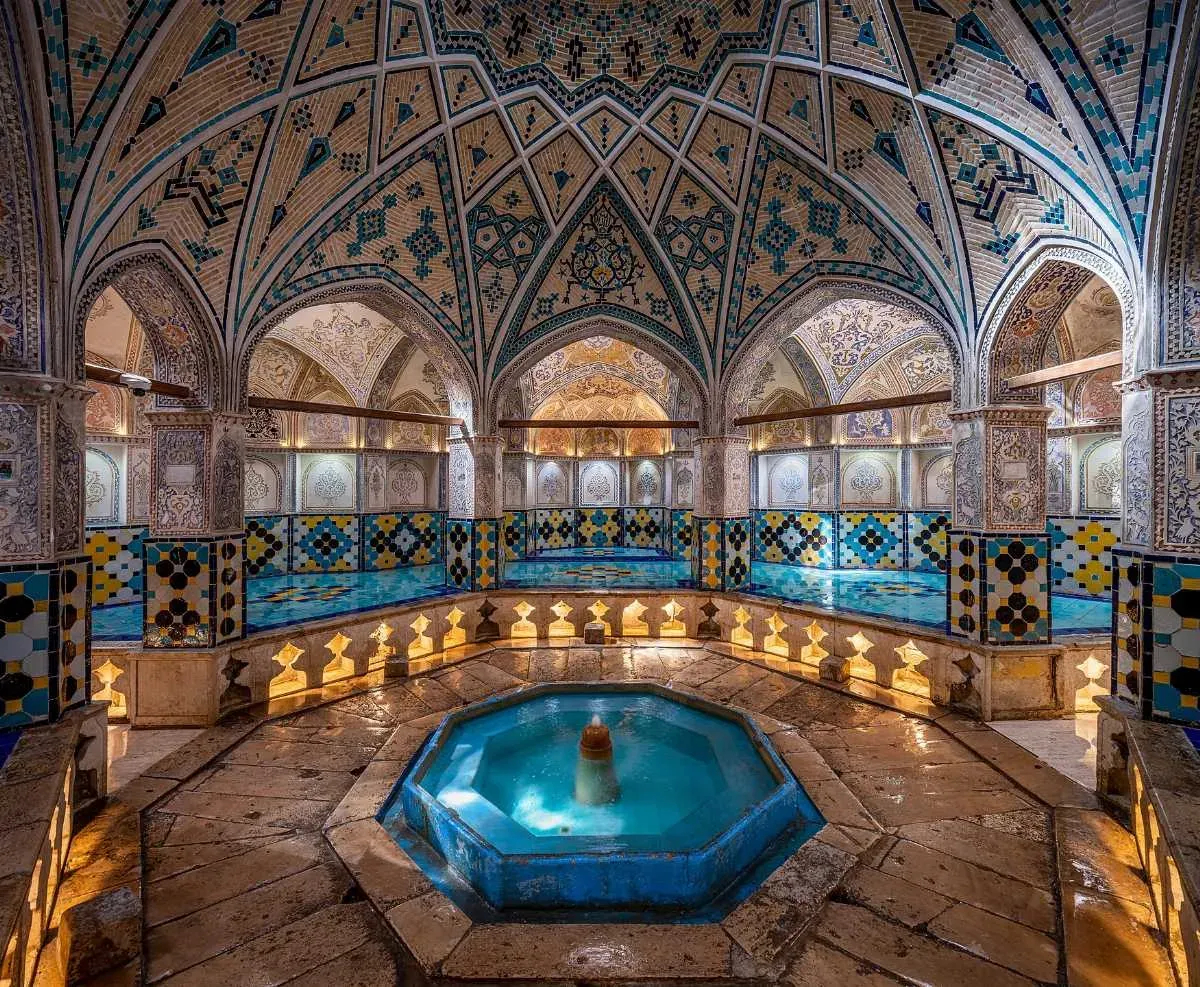
Turkish Hammam invites visitors into a living archive of heat, marble, and ritual where the scent of olive oil soap lingers. This centuries-old practice, often described as the Turkish Hammam vs Turkish Bath in travel guides, blends architecture, cleansing, and social connection. From the warm rooms to the exfoliating kese and foam wash, the experience embodies hammam meaning and history carried through generations. Modern facilities often retain the ritual’s essence while offering comfort, safety, and details of hammam etiquette that help guests feel at ease. Readers seeking the best of spa traditions in Turkey can anticipate a structured sequence that blends cleansing, warmth, and social hospitality.
In more general terms, consider an Ottoman-era steam bath—a public bathhouse where heat, humidity, and ritual come together. You’ll find marble-lined spaces, a progression of rooms, and a ceremonial cleansing that centers on care and community. LSI-friendly descriptions link this practice to related concepts such as traditional bath rituals, spa culture in Turkey, and etiquette around modesty and service. Whether labeled as a steam bath, a historic bathhouse, or a contemporary wellness retreat inspired by Turkish ritual, the essence remains cleansing, warmth, and social hospitality. Exploring these terms helps readers recognize the thread that runs from ancient hammams to modern spa experiences.
Turkish Hammam vs Turkish Bath: Distinct Experiences in a Shared Tradition
Turkish Hammam and Turkish Bath describe related cleansing experiences rooted in the same cultural practice, but they emphasize different facets of the tradition. The Turkish Hammam foregrounds architecture, ritual sequence, and communal space—think marble slabs, domed ceilings, and a deliberate progression of heat, steam, and cleansing. In contrast, a Turkish Bath is often encountered as a more modern or hotel-style interpretation that centers on steam, cleansing, and relaxation, sometimes with less emphasis on ceremonial depth. This distinction is a useful guide for travelers seeking either a historically faithful experience or a more contemporary spa visit.
Understanding the difference helps you navigate hammam etiquette and facility options. If you’re drawn to the social ritual and kese-based exfoliation, you’ll be looking for a traditional Turkish Hammam with attendants and a prescribed room sequence. If you prefer a streamlined, private, or hotel-like experience, a Turkish Bath might better fit your schedule while still offering the cleansing and warmth that define the tradition. Either way, the shared elements—heat, humidity, soap, and a spirit of renewal—connect the two experiences.
Hammam Meaning and History: Tracing the Purification Tradition Through Time
Hammam meaning centers on purification through communal bathing, a concept that evolved long before modern spa culture. The practice has roots in ancient cleansing traditions and was refined in the Ottoman era, where architecture, social life, and ritual merged to create spaces dedicated to cleansing, hospitality, and renewal. The core idea remains consistent: cleansing through water and steam as a social and spiritual ritual, not merely a bath.
Historically, hammams served as social hubs where travelers, workers, families, and communities gathered. Over time, the ritual incorporated traditional elements such as the kese (exfoliating mitt) and olive-oil soap, guided by tellaks or natırs in many traditional settings. The meaning of hammam thus extends beyond physical washing—it embodies a cultural practice that blends cleanliness with communal care, hospitality, and centuries-old ceremonial etiquette.
Turkish Bath Rituals: The Steps from Arrival to Renewal
Turkish bath rituals typically unfold as a structured sequence that blends cleansing with sensory immersion. Guests often begin with arrival and preparation, donning a pestemal or swimsuit and selecting a private or shared space according to the facility. The warmth and steam stage open pores, ease tension, and prepare the skin for next steps, which is essential for the exfoliation that follows.
Exfoliation with a kese, followed by a vigorous foam wash, is a hallmark of authentic Turkish bath rituals. After scrubbing, a massage or additional cleansing may be offered, with a final rinse then a cooling or resting period. While some modern spa settings emulate this cadence, others compress or adapt the ritual for convenience, which can alter the depth of the experience. Regardless of format, the ritual emphasizes purification, relaxation, and a mindful approach to spa-time.
Spa Traditions in Turkey: How Hammams Shape Wellness Tourism
Spa traditions in Turkey are inseparable from hammams, which combine architectural beauty, history, and wellness into a distinctive cultural product. Traditional hammams showcase marble interiors, domed ceilings, and a multi-room flow designed to sustain heat and humidity, offering more than cleansing—a sense of ceremonial hospitality and communal space. In modern contexts, these traditions persist in hotels and dedicated spa venues, where guests can still experience heat, steam, and massage in a more contemporary setting.
Across Turkey, regional variations reflect local aesthetics and tourism needs, from historic Istanbul havens to coastal spa towns. While the architectural grandeur and social ritual remain recognizable, the modern market often styles the experience as a luxurious, accessible wellness moment. This blend of old and new—preserving hammam meaning and ritual while adapting to spa consumers—helps explain why Turkish spa traditions attract travelers seeking cultural immersion and relaxation.
Hammam Etiquette: Do’s, Don’ts, and Respectful Practice
Respectful etiquette is central to a meaningful Turkish Hammam or Turkish Bath experience. Dress codes commonly require a pestemal or swimsuit, and many traditional spaces maintain gender-segregated areas or times. Being aware of your facility’s guidelines helps honor the cultural context and ensures a comfortable visit for everyone.
Tipping for attendants who assist with washing, exfoliation, or massages is customary in many hammams. Travelers should bring a towel, sandals, and, if desired, their own soap or glove; however, many facilities provide these items. Observing modesty in mixed spaces and following staff directions regarding attire, allowed areas, and behavior underpins a respectful visit that aligns with hammam etiquette.
Experiencing the Turkish Hammam: Practical Tips for an Authentic Visit
To maximize authenticity, seek facilities known for genuine hammam architecture and clear etiquette guidelines. Look for a traditional room sequence, experienced attendants, and an emphasis on kese-based exfoliation if you want a deeply ceremonial experience. Even in modern venues, a well-run hammam will preserve warmth, steam, and a respectful atmosphere that honors centuries of tradition.
Prepare for the visit by understanding whether the facility markets itself as a Turkish Hammam or a Turkish Bath, and plan accordingly. Bring essentials like a pestemal, water, and a light robe if you prefer privacy between stages. Hydration and timing are important—avoid strenuous activity immediately after and allow time to rest in a cooling area. By approaching the experience with curiosity and respect for spa traditions in Turkey, you’ll gain a richer, culturally informed wellness moment.
Frequently Asked Questions
What is the difference between Turkish Hammam and Turkish Bath, and how does hammam meaning and history help explain it?
Turkish Hammam refers to the traditional public bath with architecture, heat, steam, and ritual cleansing, while Turkish Bath is often a broader or modern term used in Western contexts. Hammam meaning and history trace the practice to purification, social gathering, and ritual spaces, helping travelers understand why the two terms overlap yet feel distinct. In practice, traditional hammams emphasize a multi-room, attendant-guided ritual, whereas a Turkish Bath may feel more like a spa experience.
What are the core Turkish bath rituals you should expect when visiting a Turkish Hammam?
Expect a sequence that mirrors Turkish bath rituals: arrival and preparation, warmth and steam in a warm room, cleansing wash, exfoliation with a kese, foam wash and rinse, optional massage, and a final cool-down or rest. The ritual emphasizes cleansing, skin renewal, and social etiquette, all typical of a Turkish Hammam experience.
How does hammam etiquette influence your experience in a Turkish Hammam or Turkish bath?
Hammam etiquette shapes comfort and respect for others. Dress codes (pestemal or swimsuit), tipping for attendants, privacy norms, and behavior in gender-segregated areas all influence the flow and atmosphere. Following etiquette helps you enjoy an authentic Turkish Hammam while respecting the tradition and other guests.
Why are spa traditions in Turkey central to the authentic Turkish Hammam experience?
Spa traditions in Turkey underpin the architecture, rituals, and hospitality of the Turkish Hammam. They inform the layout of rooms, the timing of cleansing steps, and the social aspects of cleansing and relaxation, making an authentic Hammam feel like a living cultural practice rather than a simple spa service.
How is hammam meaning and history reflected in today’s modern Turkish Hammam facilities?
Today’s Turkish Hammam facilities often preserve the marble interiors, domed ceilings, and ritual sequence that embody hammam meaning and history, even in modern, hotel-like settings. While some aspects may be streamlined for convenience, the sense of purification, communal cleansing, and ceremonial hospitality remains a core influence.
Is a hotel 'Turkish Bath' a faithful representation of Turkish bath rituals and spa traditions in Turkey?
A hotel-described Turkish Bath can offer a convenient, comfortable version of the hammam experience, capturing steam, cleansing, and relaxation. However, the depth of Turkish bath rituals and the fidelity to traditional spa traditions in Turkey can vary by facility, with some emphasizing ceremonial depth and others presenting a more Westernized, spa-focused option.
| Aspect | Summary | Details |
|---|---|---|
| Terminology and distinction | Roots shared; distinct emphasis | Turkish Hammam ve Turkish Bath aynı geleneğin ürünleri olsa da mimari, ritüel ve kültürel odaklar açısından ayrışır. |
| What is a Turkish Hammam | Traditional public bath rooted in Ottoman culture | Mermer odalar, kubbeli tavanlar ve ısıyla adım adım ilerleyen bir ritüel; kese, sabun ve masaj gibi uygulamalarla toplumsal bir temizlenme deneyimi. |
| What is a Turkish Bath | Modern/Westernized interpretation | Daha geniş bir spa kavramı olarak hammam ritüellerini çağrıştırır; tarihi mekân veya törensel derinlik her zaman mevcut değildir. |
| Ritual sequence | Core stages of cleansing and social ritual | Giriş, ısı/buhar, temizleme yıkaması, kese ile eksfoliasyon, köpüklü yıkama, durulama, isteğe bağlı masaj, son durulama. |
| Attire and etiquette | Dress and etiquette considerations | Pestemal veya mayo kullanımı yaygın; geleneksel hamamlarda cinsiyete göre alanlar ayrılabilir; bahşiş, mahremiyet ve saygı önemli. |
| Health, history, and modernity | Cultural heritage with evolving facilities | Tarihsel sosyal merkezlerden modern spa olanaklarına evrilen zengin miras; özel odalar ve terapi seçenekleriyle bazen çağdaş konforlar sunulur. |
| Misconceptions | Myths vs. reality | Hammam lüks bir pampering olarak görülmez; Turkish Bath etiketi bölgeye ve tesise göre değişir; ritüelin derinliği tesis ve personel tarafından belirlenir. |
| Tips for visitors | Practical guidance | Giyim kurallarını kontrol edin, ekipman veya sabun temin edin, bahşiş verin, susuz kalmamaya dikkat edin, yerel nezakete saygı gösterin. |
| Glossary of key terms | Kese, Pestemal, Tellak/Natır | Kese: eksfoliasyon eldiveni; Pestemal: ince havlu; Tellak/Natır: refakat eden görevliler. |
Summary
Turkish Hammam, köklü bir Türk spa geleneği olarak mimarinin zarafetiyle modern konforu bir araya getirir ve ziyaretçilere yalnızca bir temizlenme rutini değil, toplumsal bir ritüel deneyimi sunar. Geleneksel hammam, kubbeli tavandan mermer tezgâhlara uzanan mekânlarda ısı ve buharın uyum içinde ilerlediği bir yolculuktur; kese ile peeling, sabun köpüğü ve isteğe bağlı masaj gibi adımlar, beden ve ruha aynı anda dokunan bir bütünlük yaratır. Günümüzde bazı hammamlar, tarihi mirası korurken daha modern odalar ve spa terapileriyle çeşitlilik sunar; ancak nezaket, mahremiyet ve hijyen gibi temel değerler her daim ön planda kalır. Ayrıca Turkish Bath olarak adlandırılan modern veya otel tipi deneyimler, hammam geleneklerinin özünü korurken farklı bir yoğunlukta sunulabilir. Bu yazı, Turkish Hammam ve Turkish Bath arasındaki farkları ve her iki deneyimin nasıl değerlendirilebileceğini anlamaya yardımcı olur; kültürel bağlamı saygı ile kucaklayan ziyaretçiler için zengin ve doyurucu bir keşif vaat eder. Sonuç olarak, Turkish Hammam ve onun çağdaş uzantıları, yüzyıllara yayılan bir geleneksel sağlık-yaşam pratiğinin günümüzde nasıl yaşatıldığını gösterir ve her ziyaret, geçmişi onurlandıran ve bugünün konforunu sunan bir deneyim olarak hatırlanır.