
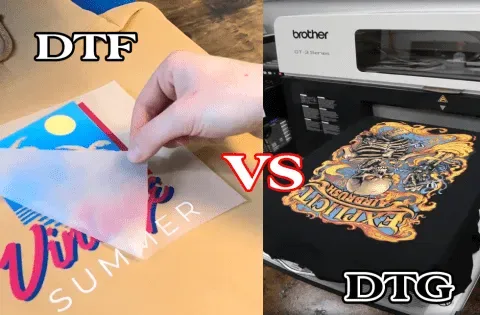
DTF transfers vs DTG is a common debate among designers and apparel makers seeking durable, vibrant prints with a soft hand. In this DTF vs DTG comparison, you’ll discover how each method performs across fabrics, costs, and production speed. DTF printing pros and cons become apparent on dark garments, where bright whites and flexible substrate compatibility boost versatility. DTG printing pros and cons reveal advantages in edge detail and a gentler hand on natural fibers, though cost and fabric sensitivity can rise. By evaluating direct-to-film vs direct-to-garment and other apparel printing methods, you can choose the best approach for your designs and audience.
Beyond the jargon, this topic can be framed as two principal garment-decoration options: film-based transfers and direct-to-fabric printing. Alternative terms you may hear—such as heat-press transfers versus digital ink-on-textiles—signal the same trade-offs in color richness, texture, and durability. From an LSI standpoint, consider related concepts like substrate compatibility, production speed, and wash performance when choosing between these methods. In practice, designers balance art detail and soft hand by pairing the right fabric with either a transfer film workflow or an ink-into-fabric process. Overall, the decision hinges on your product goals, order scale, and the customer experience you want your apparel to deliver.
Understanding DTF Printing: Process, Materials, and Cost Implications
DTF printing is a film-based process where designs are printed on a polyester film using dedicated inks, then an adhesive powder is applied and cured before heat pressing onto fabric. This direct-to-film workflow, often described as DTF, offers bright color reproduction, strong white underbases on dark fabrics, and versatile compatibility across cotton, blends, poly, and synthetics. Compared with other apparel printing methods, DTF is known for its forgiving color alignment and broad fabric tolerance, making it a popular option in on-demand and small-batch production. The ability to store films and apply them as orders arrive is a practical advantage for many shops, contributing to the DTF printing pros and cons in real-world workflows.
For cost-sensitive small runs, DTF can be more economical per unit because you print on film in batches and press later, which reduces changeover downtime. The workflow also supports pre-press work for popular designs, giving you a buffer to meet tight deadlines without sacrificing quality. In terms of apparel printing methods, DTF remains a flexible option that aligns well with on-demand economies and inventory management, helping shops balance lead times with variety.
Understanding DTG Printing: Hand Feel, Detail, and Fabric Considerations
DTG printing uses direct inkjet technology to apply water-based inks directly onto the garment through a specialized textile printer. This approach excels at reproducing intricate detail, subtle color transitions, and photo-realistic imagery. When executed with quality pretreatment and proper curing, DTG can deliver a surprisingly soft hand feel because there is no bulky transfer layer, which makes it ideal for designs with lots of gradients on cotton types. This aligns with the DTG printing pros and cons when evaluating fine artwork and fabric interaction.
However, DTG can be sensitive to fabric type and pretreatment consistency. White underbase on dark fabrics may require additional passes or coating, and ink costs can add up for color-dense designs. The upfront investment for DTG printers and ongoing maintenance means higher per-unit costs for small runs unless you have consistent demand. In the context of a DTG printing pros and cons assessment, scalability and fabric choice frequently influence results and project feasibility.
DTF transfers vs DTG: A Side-by-Side Comparison
DTF transfers vs DTG: a side-by-side overview reveals trade-offs in durability, feel, and color handling. DTF transfers typically offer robust durability across a wide fabric range and vivid colors on dark garments, thanks to the adhesive film and curing process. DTG often delivers sharper edge definition and a softer hand on natural fibers like cotton, which is why this DTF vs DTG comparison is useful to designers assessing fabric and artwork. When evaluating methods, many apparel professionals consider both the durable versatility of DTF and the refined detail of DTG.
Choosing between direct-to-film and direct-to-garment often comes down to production realities. For bold art that must perform across fabrics and in small runs, DTF — or a direct-to-film workflow — can be more economical and flexible. For ultra-high-detail imagery on cotton items, DTG or a direct-to-garment approach may be preferred, though you should plan for pretreatment, ink usage, and potential color limitations. This direct-to-film vs direct-to-garment framing helps clarify which path suits particular designs and garment types.
Fabric Compatibility and Care for DTF and DTG
Fabric compatibility for DTF is broad, including cotton, poly blends, rayon, and some synthetics because of the film-based adhesive and curing steps. This makes DTF a versatile choice across product lines and supports the apparel printing methods that prioritize cross-material utility and consistency in color and texture. The flexibility of DTF shopping lists is a practical advantage when diversifying a line or testing new fabrics in the market.
DTG tends to perform best on 100% cotton or ringspun blends that accept ink readily, with performance often decreasing on 100% polyester unless you deploy poly-friendly pretreatments and special inks. Aftercare remains a factor for both methods, with DTF typically tolerating a wider range of wash settings when done correctly, while DTG care guidelines focus on protecting the ink and pretreatment layer during repeated laundering. Understanding fabric care considerations is essential for achieving lasting results across apparel printing methods.
Cost, Speed, and Practicality in Small Runs and On-Demand
From a cost and speed perspective, DTF can win on short runs because film production scales efficiently and press times per unit stay predictable. The ability to prepare films in bulk and press later reduces setup once you know the design, which benefits on-demand services and small-batch orders. For shops managing variable demand, DTF offers a practical balance of price, color richness, and workflow flexibility within the broader apparel printing landscape.
DTG often offers faster turnaround for repeat orders once the workflow is optimized, but ongoing ink, pretreatment, and maintenance costs can be higher for color-dense designs. Throughput depends on printer speed, curing equipment, and the number of garments processed in a session, influencing decisions about when to choose DTF, DTG, or a hybrid approach. This practical viewpoint highlights how cost, speed, and reliability shape day-to-day production decisions in apparel printing methods.
Best Practices and Hybrid Approaches for Maximizing Results in Apparel Printing Methods
Best practices for optimizing results with both methods start with solid pre-treatment and surface prep: ensure clean garments for DTG and controlled film handling for DTF, with stable temperature and timing to minimize variation across runs. Establish consistent workflows, from color management to curing, to reduce surprises across batches and fabrics.
Implement color management, standardized color profiles, and regular calibration to maintain consistency across batches. Consider a hybrid approach, leveraging DTG for high-detail cotton items and DTF for durable, multi-fabric prints, illustrating how apparel printing methods can be tailored to design and garment type for maximum quality and efficiency. By combining strengths from both techniques, teams can expand capabilities and meet a wider range of customer expectations.
Frequently Asked Questions
DTF transfers vs DTG: Which is more cost-effective and scalable for small runs?
In the DTF transfers vs DTG debate, DTF often offers lower per-unit costs and a forgiving setup for small runs because designs can be printed on film ahead of time and pressed later. DTG can reduce handling steps but may incur higher ink and pretreatment costs per design, especially for color-dense artwork. Consider your order size, fabric mix, and turnaround requirements to decide which path fits your on-demand production needs.
DTF printing pros and cons: What should you know when comparing to DTG printing?
DTF printing pros and cons include: Pros — bright colors on a wide range of fabrics, strong white underbases on dark garments, good cost efficiency for small batches, and a flexible workflow suitable for on-demand printing. Cons — a slightly textured or plasticky feel from the transfer film, the need for powder curing, and ongoing equipment maintenance to maintain consistency across runs.
DTG printing pros and cons: How does DTG compare to DTF transfers in practice?
DTG printing pros and cons highlight: Pros — ultra-soft hand feel, excellent detail, and smooth color gradients, especially on 100% cotton fabrics. Cons — sensitivity to fabric type and pretreatment, potential white underbase challenges on dark fabrics, and higher per-unit costs for color-dense designs or small runs without high-volume demand.
Direct-to-film vs direct-to-garment: How does durability and care differ?
Direct-to-film vs direct-to-garment durability and care: DTF transfers generally offer durable adhesion across a wide range of fabrics when properly cured, with clear washing guidelines. DTG durability depends on ink curing and fabric compatibility; with proper pretreatment, cotton items can stay vibrant and soft, but care instructions are crucial to protect longevity.
Apparel printing methods: How do DTF transfers and DTG compare on fabric compatibility and care?
Apparel printing methods show that DTF is broadly compatible with cotton, poly blends, rayon, and many synthetics, making it versatile for mixed-fabric lines. DTG performs best on natural fibers like cotton and blends that take ink well, with care guidelines focused on preserving ink and pretreatment integrity to maximize longevity.
DTF transfers vs DTG: When should you choose DTF transfers vs DTG for dark fabrics and bold white underbases?
DTF transfers vs DTG decision for dark fabrics: DTF typically excels on dark garments due to bold white underbases and durable transfer films, offering reliable color on black or navy fabrics. DTG can work on dark fabrics with proper pretreatment and white underbase planning, but may require more ink and careful process control. A hybrid approach—DTG for detailed cotton designs and DTF for dark fabrics—can maximize quality and efficiency.
| Topic | Key Points |
|---|---|
| What is DTF printing? | Direct-to-film printing involves printing designs onto a polyester film, applying adhesive powder, and heat pressing the film onto fabric. It works on cotton, blends, and poly fabrics. DTF aims for bright colors, strong underbases on dark fabrics, and cost-efficient small runs with a flexible on‑demand workflow. Typical steps include garment pre-treatment, powder curing, and heat pressing with a hot-peel or cold-peel finish, followed by curing to finalize durability. |
| What is DTG printing? | Direct-to-garment printing applies ink directly to fabric using water-based inks and specialized textile printers. It excels at intricate detail, photo-realistic imagery, and subtle color transitions, with a softer hand feel due to the lack of a thick transfer layer. Best on 100% cotton or well-inked blends; can be more sensitive to fabric type and pretreatment, and higher unit costs for very small runs unless demand is high. |
| DTF vs DTG: Pros and cons of DTF printing | Pros: Bright colors, strong white underbases on dark fabrics; reliable across a wide range of fabrics (including poly blends); beginner-friendly and suitable for small shops; favorable per-unit cost for small batches or on-demand; transfer films store well for inventory and last-minute orders. |
| DTF vs DTG: Cons of DTF printing | Texture from the film layer can feel slightly textured or ‘plasticky’ on some fabrics; texture varies with fabric type, transfer weight, and pressing parameters. Requires precise powder curing and heat settings, post-press curing, and careful washing to maximize longevity; may require investment in consistent equipment and technique. |
| DTF vs DTG: Pros and cons of DTG printing | Pros: Very soft hand feel and fine detail; excellent color accuracy, gradients, and photographic imagery; no transfer layer, improving comfort on cotton. |
| DTF vs DTG: Cons of DTG printing | Sensitive to garment type and pretreatment consistency; white underbase on dark fabrics may need extra care; higher ink costs for color-dense designs; significant equipment, maintenance, and operating costs; results depend on fabric choice and pretreatment quality. |
| Cost, speed, and practicality in the DTF transfers vs DTG decision | DTF can be more cost-effective per unit for short runs due to film and adhesive materials scaling, batching on film, and suitability for on-demand across fabrics, but adds steps (powder curing, finishing) that can affect total time if not optimized. |
| Fabric compatibility and care guidelines | DTF is widely compatible with cotton, poly blends, rayon, and some synthetics due to the adhesive film and curing process. DTG performs best on natural fibers like cotton; 100% polyester may require poly-friendly DTG setups and pretreatment. Care: DTF washing guidance often favors cold/warm water and mild detergents; DTG care emphasizes protecting ink and pretreatment surface; both need appropriate drying and washing practices. |
| Practical decision-making for your apparel line | For vivid, bold colors across varied fabrics with small runs, DTF is often favorable. For ultra-soft hand feel and high-resolution imagery on cotton, DTG is typically better. Consider order quantity, fabric mix, color palette, and customer experience. Some shops use a hybrid approach (DTG on cotton for detail, DTF on poly blends/dark fabrics) and plan for equipment upgrades and supplier reliability to expand design sharing. |
| Best practices to optimize results with both methods | Pre-treatment and surface prep: DTG requires proper pretreatment; DTF requires consistent film handling and powder curing. Print quality checks: standardized color profiles, test swatches, regular calibration. Curing and washing: adhere to dwell times and educate customers on proper washing. Fabric selection: build a fabric matrix to guide method choice. Post-press finishing: verify film adhesion for DTF and ink cure/surface smoothness for DTG. |
| Conclusion: Choosing the right path for your designs | This row summarizes the need for strategy across product mix, fabric variety, and customer expectations rather than a single best method. If you need exceptional color on many fabrics with small-batch production, DTF offers durability and cost efficiency. If ultra-soft hand feel and high-detail imagery on cotton or light fabrics are priorities, DTG shines. Many shops effectively use a hybrid approach, applying each method to designs and garments that suit their strengths. By understanding both DTF printing and DTG printing, you can tailor your printing strategy to maximize quality, durability, and efficiency. |
Summary
Table summarizes key differences, pros/cons, and practical guidance for choosing between DTF transfers and DTG printing.