
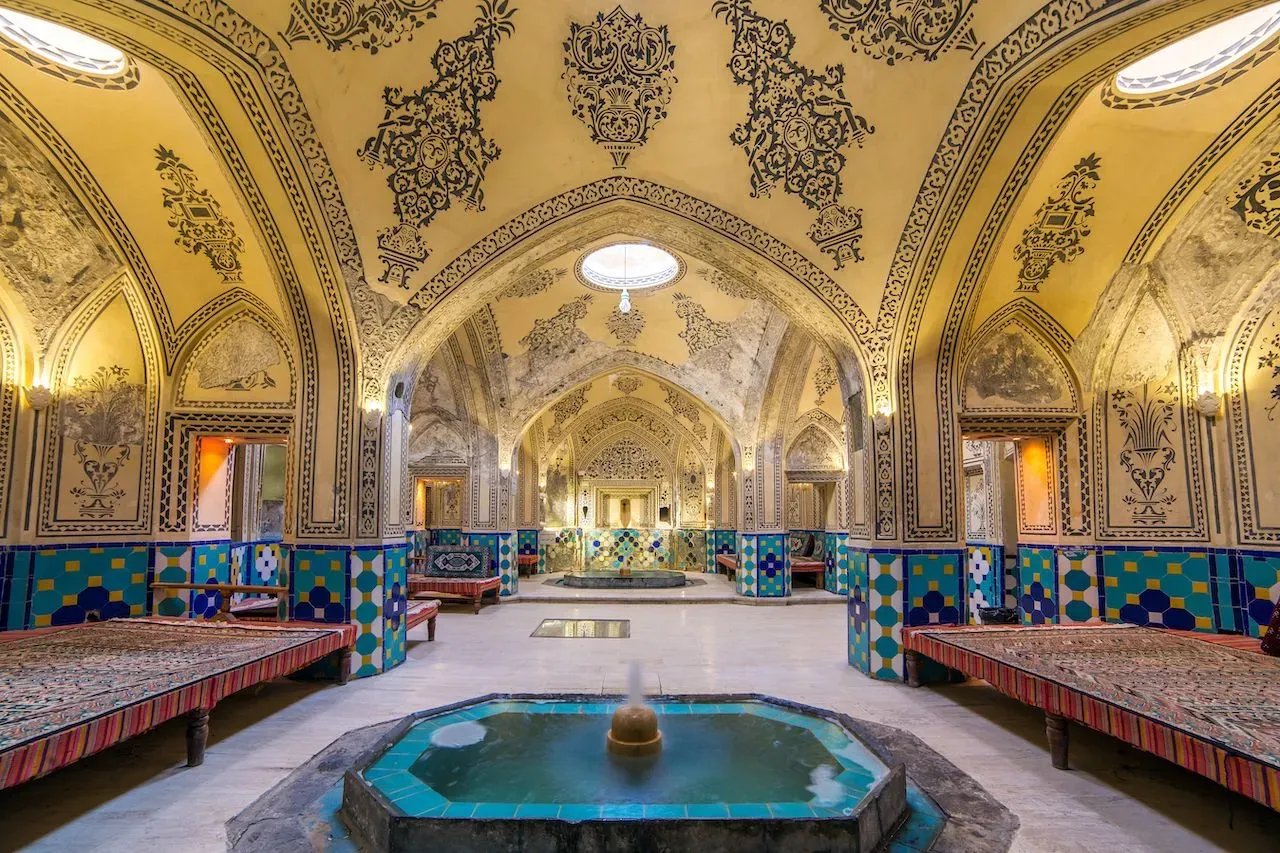
Turkish bath architecture fuses culture, craft, and climate, shaping spaces of heat, ritual, and social life that have echoed through cities for centuries, becoming a defining element of urban identity. Its hammam design blends traditional geometry with modern comfort, guiding visitors through a deliberate choreography of moisture, warmth, and communal experience, from entry to cleansing to quiet reflection. Stone and plaster surfaces provide thermal mass and tactile texture, while carefully tuned lighting reveals texture and atmosphere across vaulted ceilings and wet walls, casting gentle halos in steam. The architectural sequence—a progression from warming rooms to cooling rest—encourages the body to accept heat gradually, fostering calm and renewal after each step. Modern projects adapt these principles with durable systems, accessible layouts, and quiet beauty that honor tradition while meeting contemporary wellness needs, including maintenance and sustainability considerations.
Viewed through a broader lens, the steam bath tradition of the region becomes a language of heat, water, and shelter that has influenced builders for generations. From imperial bathhouses to contemporary wellness suites, the enduring concept centers on a sequence of warm, humid rooms that invite cleansing, quiet reflection, and social ritual. Architects describe this heritage with terms like spa architecture, bathhouse design, and ritual craft, emphasizing materials, light, and spatial rhythm. Modern interpretations marry centuries-old motifs with new materials and sustainable technology, ensuring durability and accessibility without sacrificing atmosphere. The result is a timeless typology where heat, humidity, and stone textures create intimate, ceremonial interiors that engage body and senses.
Turkish Bath Architecture: Core Principles of Steam, Stone, and Light
Turkish bath architecture intertwines heat, moisture, and ritual into a coherent spatial language. At its heart are steam rooms that invite sustained warmth, while moisture-resistant materials and carefully composed light turn the experience into a contemplative journey. The design translates a cultural practice into a built environment where visitors flow through heat, breathing with the spaces.
Stone interiors and plaster finishes form the tactile stage on which this drama unfolds. Thermal mass stores warmth, while texture and color modulate visibility as steam softens edges. Architectural elements—arched doorways, domed ceilings, and narrow transitions—control moisture, frame light, and guide movement through the hammam’s choreography.
Hammam Design: Layout, Circulation, and Ritual Sequence
In hammam design, the journey begins at the apodyterium, where visitors exchange casual greetings and wrap themselves in towels before the cleansing ritual. The sequence continues into the warm room, a transition zone with moderate heat and seating along the walls, designed to ease guests into the steam to come. The layout is a careful script: expect spaces that anticipate social interaction and personal retreat alike.
Circulation is more than movement—it is a social choreography. Narrow corridors, screens, and deliberate transitions steer attention, while windows and perforated panels filter daylight to create a soft, glimmering ambiance. The design uses light in baths to temper heat, creating a contemplative mood that supports cleansing, conversation, and quiet reflection.
The Stone Interiors: Materiality and Thermal Comfort in Hammams
Stone interiors define the hammam’s tactile and thermal character. Marble, limestone, and travertine absorb and radiate heat, letting rooms feel cozy even at high humidity. The choice of stone is about durability under moisture and the hand of craftspeople who carve and finish surfaces that invite touch.
Pattern, veining, and the way stone ages with use become a record of ritual use. When combined with plaster and tiles, stone interiors offer a mutable backdrop that holds steam without glare. Architects balance moisture resistance with the beauty of natural material, ensuring the hammam remains a serene, enduring space for generations.
Ottoman Influence and Continuity in Turkish Bath Architecture
Ottoman influence appears in the vocabulary of Turkish bath architecture as a language of grand form and intimate detail. Historic imperial baths with domes, arches, and ceremonial routes set a template that modern projects continue to translate—respectful of history while leveraging current materials and climate controls. The Ottoman influence persists not as a pastiche, but as a design philosophy of ritual procession and spatial hierarchy.
Contemporary interpretations adapt the vocabulary to new programs: private spa, public wellness, or cultural tourism. Designers preserve domed skylights, lit arches, and stepped platforms, while introducing energy-efficient heating, humidity control, and accessibility. The continuity is in the approach to atmosphere—where stone, light, and steam remain central to the experience.
Light in Baths: Designing Illumination for Serenity
Light in baths becomes a sculptor, shaping mood as much as any stone or steam. Traditional baths use skylights or high domes to bathe surfaces in a gentle, diffuse glow that softens shadows. The way light refracts through steam highlights texture and depth, turning mere walls into living surfaces that shift with the day.
In modern designs, light in baths can be reinterpreted with smart daylighting, perforated screens, and warm LED tones that mimic flame and oil lamps. The goal is to sustain the tactile warmth of the hammam while ensuring safety and energy efficiency. The result is a space that feels ancient yet timeless, a stage for quiet contemplation and social exchange alike.
Modern Sustainability: Technology, Materials, and Design in Turkish Bath Architecture
Modern sustainability in Turkish bath architecture integrates technology with tradition. Steam rooms and warm chambers benefit from advanced humidity management, efficient boilers, and robust ventilation that keep moisture under control without sacrificing comfort. Materials are selected for durability and ease of maintenance, ensuring long-term performance in humid environments.
Contemporary projects experiment with open plans, glass connections, and outdoor courtyards that connect interior spaces to nature. These choices honor the hammam’s essence—steam, stone, and light—while embracing renewable energy, smart controls, and low-impact construction. The result is a durable, adaptable typology that respects climate, culture, and the social life around baths.
Frequently Asked Questions
What are the core elements of hammam design in Turkish bath architecture?
The core elements are steam, stone interiors, and light in baths, arranged within a sequence that moves from cooling to warming to cleansing and cooling again. Domed ceilings, arches, moisture‑resistant plaster, and thoughtfully placed seating guide mood, movement, and the ceremonial feel of the hammam.
How do steam rooms influence the spatial layout in Turkish bath architecture?
Steam rooms (hararet) drive high humidity and steady warmth, so spaces are thermally zoned with hot and cool areas. Walls and floors use moisture‑resistant materials, and connecting passageways create gradual transitions that honor the body’s temperature rhythm.
What role does Ottoman influence play in modern Turkish bath architecture?
Ottoman influence informs domes, arches, and ceremonial procession cues, giving a grand, imperial feel. In contemporary practice, designers combine these historic cues with modern sustainability, heating, ventilation, and accessibility.
Why are stone interiors important in Turkish bath architecture?
Stone interiors provide thermal mass, moisture resistance, and durability, shaping a stable interior climate. Marble, limestone, and travertine interact with steam to create a tactile, timeless atmosphere, while textures and patterns enhance the sense of craft and memory.
How is light used in baths to enhance the hammam experience?
Light in baths is filtered through domes, skylights, and perforated screens to bathe stone and water in a soft glow. This creates depth, reduces glare, and highlights textures, while modern lighting balances warmth with energy efficiency to preserve the hammam’s mood.
In Turkish bath architecture, what practical design considerations ensure comfort and accessibility in steam rooms, stone interiors, and overall hammam design?
Key considerations include selecting moisture‑resistant materials, implementing clear thermal zoning, managing humidity, designing thoughtful lighting, and ensuring accessibility. Use durable stone and plaster, plan transitions between hot and cool spaces, provide seating, and create safe exits to support inclusive, low‑maintenance use.
| Key Point | Description |
|---|---|
| Core Idea and Design Logic | Turkish bath architecture integrates the body’s response to heat and moisture with social bathing rituals, guiding visitors through a cooling–warming–cleansing–cooling sequence using stone, plaster, and light to choreograph breath, mood, and movement. |
| Stone as the Backbone | Stone is durable and moisture‑resistant, providing thermal mass that stabilizes interior climate. Marble, limestone, and travertine carry the memory of craft and age gracefully, shaping texture, pattern, and light interaction. |
| Steam Rooms and Thermal Circulation | Steam rooms are central, designed for high humidity and steady warmth. Domed ceilings and arches regulate moisture, while clear thermal zoning separates hot and cool spaces to support gentle bodily progression. |
| Light as a Sculptor | Light enters through domes, skylights, and screens, creating soft, shifting glows that transform stone and water surfaces. In modern settings, glass, LED, and controlled glare preserve warmth while improving clarity. |
| Spatial Language: Layout and Circulation | A hammam unfolds through a sequence—from entrance and changing area to warm, hot, and cool-down spaces—mirroring the body’s rhythms and encouraging inclusive, ritualized gathering. |
| Materials and Craft | Plaster, tile, and ornament are chosen for moisture resistance and heat reflection. Texture from grout lines and patterned surfaces deepens spatial experience while maintaining a restrained, crafted aesthetic. |
| Cultural and Social Significance & Ottoman Influence | Hammams have long functioned as social spaces and rites of passage, with Ottoman design cues—domes, arches, ceremonial procession—reinterpreted to suit contemporary needs while honoring tradition. |
| Modern Interpretations and Practical Considerations | Sustainability, accessibility, and maintenance shape new Turkish bath architecture, balancing energy efficiency with tactile warmth, moisture control, and adaptable layouts for diverse programs. |