
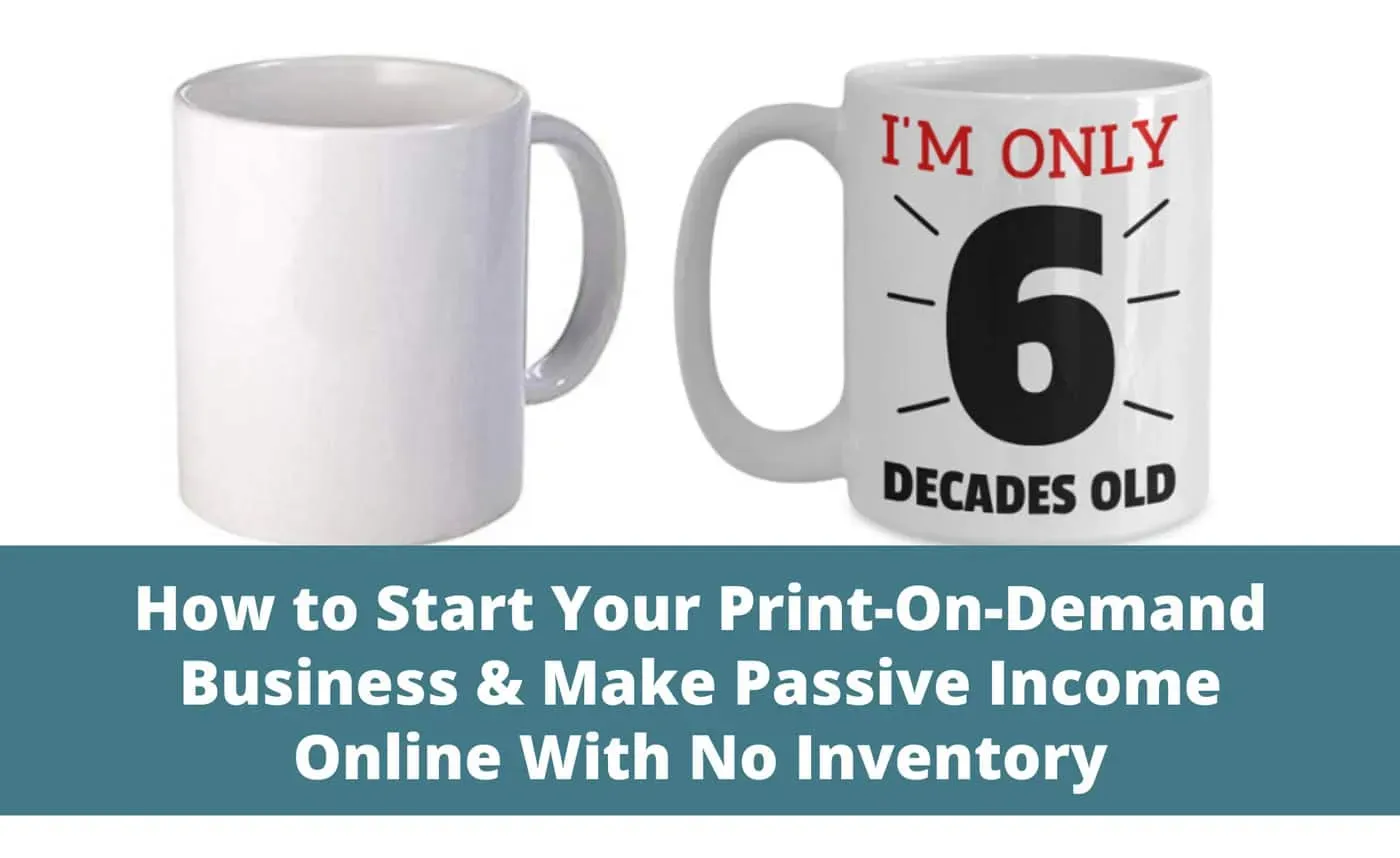
Print on Demand with No Inventory offers a practical entry into ecommerce by letting you test ideas without stocking up front. A trusted POD partner prints and ships only after a customer places an order, keeping your costs predictable and your risk low. This model makes it feasible to experiment with multiple designs and niches while you sharpen your marketing and customer experience. For beginners, the approach reduces capital barriers and provides a scalable blueprint for growth across categories like apparel and accessories. Print on Demand with No Inventory enables your brand to turn ideas into tangible products with minimal upfront risk, from tees to mugs and phone cases.
Alternative terms and related concepts help search engines connect ideas without overload. In practice, a print on demand business describes an order-driven fulfillment model where products are produced after purchase and shipped directly to customers, often through a network of production partners. If you’re ready to start POD business without inventory, consider planning around reliable printers, clear branding, and fast customer service, while exploring print on demand no inventory strategies. POD platforms for beginners commonly offer storefront templates, product catalogs, and integrated shipping, making setup smoother for first-timers. Print on demand design tips can guide your initial collections, helping you test colorways, typography, and product types with minimal waste.
Frequently Asked Questions
What is Print on Demand with No Inventory and how does it work?
Print on Demand with No Inventory is a fulfillment model where products are produced only after a customer places an order. A third‑party provider handles printing, packaging, and shipping directly to the customer, while you focus on design and marketing. This approach eliminates upfront stock costs and lets you test designs and niches with low risk.
How do I start a POD business without inventory?
To start a POD business without inventory, first choose a niche and validate ideas with potential customers. Then pick a storefront and a POD provider (for example, Shopify + Printful or Printify, or Etsy + a POD partner). Create print‑ready designs, set profitable pricing, and focus on marketing and customer experience while the provider handles fulfillment.
Which POD platforms are best for beginners?
For beginners, popular options include Shopify + Printful or Printify for full branding control, and Etsy + POD partners for quicker setup on a built‑in marketplace. You can also use multichannel POD to manage a larger catalog. These options reflect common POD platforms for beginners and help you get started faster.
What are some print on demand design tips to improve print quality and sales?
Apply print on demand design tips: design with printability in mind (CMYK, 300 DPI), create scalable graphics that work across multiple products, and offer multiple sizes and colorways. Test designs on several products, respect licensing terms, and ensure files are clean and print‑ready to boost conversions.
How should I price products in a print on demand with no inventory model?
Price by calculating all‑in costs (base product, platform and transaction fees, shipping) and set target margins—often 15–40% net depending on product and region. Use bundles or tiered pricing to raise average order value, and build a small buffer for returns and occasional refunds to protect profitability.
How can I validate ideas and scale a no‑inventory POD business?
Validate ideas by testing designs and niches with small runs or limited editions, and use sales data to decide what to scale. As you succeed, expand product lines, optimize pricing and shipping, and explore partnerships or content marketing to grow sustainably in Print on Demand with No Inventory.
| Key Area | Key Points |
|---|---|
| What is Print on Demand with No Inventory? | Produced only after a customer orders; a third‑party print provider handles printing, packaging, and shipping; zero upfront inventory; scalable catalog; ability to test designs and niches; focus on design, marketing, and customer experience; relies on reliable POD platforms. |
| Why No-Inventory POD Model | Lowers financial barriers; lean, scalable approach; supports experimentation across multiple niches and designs; reduces cash‑flow risk; requires a solid plan. |
| Core Components | Niche, high‑quality designs, reliable production partners, optimized product pages, and effective marketing; also manage customer service, shipping timelines, and returns. |
| Choosing Your Niche and Designs | Select a niche, research trends, design scalable products, and, if needed, partner with freelancers or use templates to ensure print‑ready art. |
| Platform and Supplier Considerations | Options include Shopify + Printful/Printify, Etsy + POD partners, or multichannel approaches; evaluate print quality, product range, shipping times, reliability, and integration with your storefront; understand refund/returns policies. |
| Creating Designs That Sell | Research audience interests, ensure print‑ready files (CMYK, 300 DPI+), use multiple sizes/colors, test designs on multiple products, and respect licensing and usage rights. |
| Pricing, Margins, and Profitability | Calculate all‑in costs (base price, handling, shipping, platform fees); target margins around 15–40%; consider tiered pricing or bundles; build in a buffer for returns. |
| Store Setup and SEO Basics | Create SEO‑friendly product pages with clear titles, benefit‑focused descriptions, high‑quality images, transparent shipping/returns, and SEO essentials (URLs, alt text, structured data). |
| Marketing and Traffic Acquisition | Combine content marketing, social media, SEO, email marketing, and paid ads; start small and scale what works. |
| Operations, Fulfillment, and Customer Experience | POD provider handles production and shipping; maintain proactive order status updates and straightforward returns/reship policies to preserve trust. |
| Scaling Your POD Business | Expand product lines and designs based on data; optimize pricing and shipping; build partnerships with influencers or communities within your niche. |
| Common Pitfalls to Avoid | Overestimating demand; poor design quality; inconsistent branding; neglecting customer service. |
| Legal and Compliance Considerations | Respect IP rights; verify licensing for fonts/images; obtain permissions; have clear terms of service and privacy policies. |
| Conclusion | Starting a Print on Demand with No Inventory is a practical, scalable way to enter ecommerce with manageable risk. By selecting a solid niche, creating high‑quality designs, and building a storefront that resonates with your audience, you can launch a profitable venture. Focus on steady experimentation, track key metrics, and iterate based on data. With discipline, the right partners, and a compelling brand, you can grow a lasting business that thrives on great design, smart marketing, and reliable fulfillment. |
Summary
Print on Demand with No Inventory offers a practical, scalable path to ecommerce with minimal upfront risk. By choosing a focused niche, crafting high-quality designs, and building a storefront with clear branding and reliable fulfillment, aspiring entrepreneurs can test ideas, optimize pricing, and grow with data‑driven iterations. The model relies on strong partnerships with proven POD providers, a streamlined customer experience, and ongoing marketing that balances organic growth with targeted campaigns. With disciplined execution and a clear plan, you can expand product lines, refine designs, and scale operations while maintaining quality and customer satisfaction.