
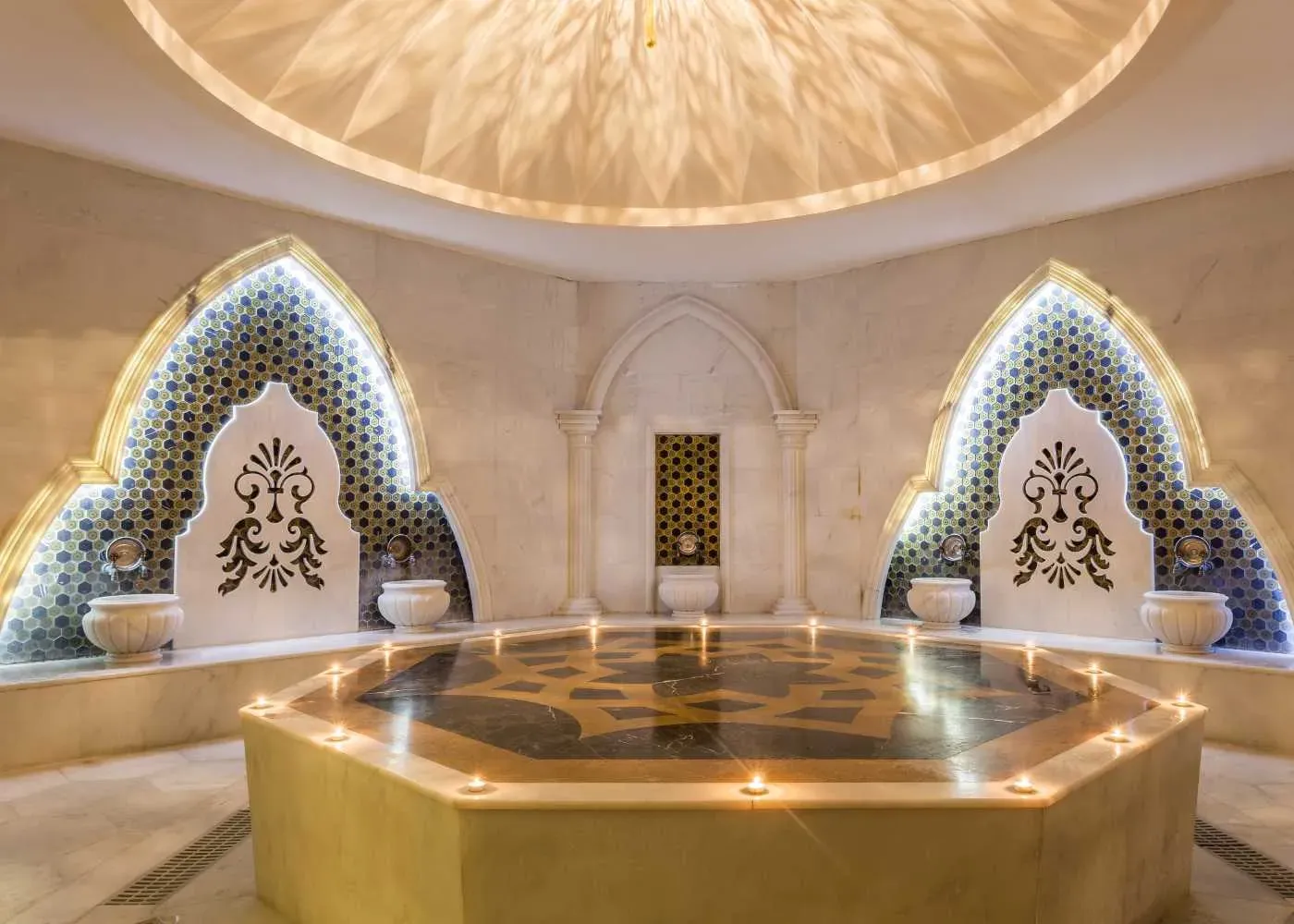
A Turkish hammam is a traditional public bath whose rituals invite you to slow down, cleanse, and connect with a long history of hospitality. In many contexts, people also refer to this experience as a Turkish bath, and the terms hammam vs bath are often used interchangeably while honoring a distinct cultural ritual. Steam-filled rooms, a kese scrub, and the social atmosphere are central to the Turkish spa traditions, including Turkish steam bath rituals, that make the experience memorable. A classic arc—warm reception through progressively hotter rooms, a kese scrub, a rinse, and a final rest—embodies the traditional Turkish bath experience. Whether you seek an authentic, communal rite or a modern spa interpretation, the emphasis remains on relaxation, cleansing, and pausing time.
Viewed through an LSI lens, the same cultural practice appears under different names such as bathhouse, steam room ritual, or traditional cleansing ceremony. These related terms point to a shared core: heat, steam, exfoliation, and social spaces that define the experience across cultures, whether framed as a hammam, a Turkish bath, or a spa tradition. In Western hotels and wellness centers, you’ll often see ‘hammam vs bath’ comparisons and ‘Turkish steam bath’ offerings that mirror the historic routine while fitting modern amenities. Understanding these linked concepts helps readers appreciate the ritual’s timeless appeal and how contemporary venues adapt it for comfort, privacy, and personal care.
Turkish Hammam: An Authentic, Timeless Bathhouse Experience
The Turkish hammam represents a living link to ancient cleansing rituals performed in bathhouses that blended social gathering with wellness. Today, it remains a distinct cultural practice that many travelers seek to understand as a traditional Turkish bath experience. By embracing the core ideas of steam, heat, and ritual cleansing, visitors can glimpse a centuries-old approach to personal care that sits at the heart of Turkish spa traditions.
Architecturally and atmospherically, a classic hammam guides guests through a progression of spaces—from a warm reception area to increasingly hot, humid rooms. The ritual commonly culminates in a soap wash, exfoliation with a kese, and often a massage. This sequence reinforces the sense of ceremony that sets Hammams apart from more generic baths, inviting contemplation, social connection, and a deep sense of relaxation.
Turkish Bath vs Hammam: Decoding Hammam vs Bath for Travelers
Many travelers encounter the terms hammam and Turkish bath interchangeably, yet there are nuanced distinctions that can influence the experience. Hammam typically evokes the traditional Turkish term and public bath heritage, while Turkish bath is the Western label that often appears in hotel and spa marketing. Understanding hammam vs bath helps readers align expectations with setting, ambiance, and service style.
In Western spa contexts, a Turkish bath experience might emphasize private suites, massage options, and a more personalized schedule, whereas historical hammams emphasize communal cleansing rituals and attendant-guided procedures. Recognizing these differences can guide decisions about whether to pursue a communal, ritual-based Turkish spa experience or a more private, hotel-style Turkish bath package.
The Rituals and Etiquette of a Traditional Turkish Spa Experience
A traditional Turkish spa experience centers on cleansing, exfoliation, and relaxation. Guests typically begin in a warmer room to acclimate to heat, then progress to hotter spaces for sweating and cleansing. A kese exfoliation, often paired with olive oil soap, is a hallmark of the ritual, and attendants may guide or perform the scrub and massage. This sequence embodies Turkish spa traditions that emphasize care, patience, and a mindful pace.
Etiquette matters as much as technique. Modesty, respectful dress, and clear communication about sensitivity or preferred pressure help ensure a comfortable experience. In traditional hammams, tipping the attendant is customary, while modern Turkish bath settings may offer self-service options with optional add-ons. Either way, voicing comfort levels ahead of time enhances safety and enjoyment.
From Steam to Serenity: Exploring the Turkish Steam Bath Environment
The core of the Turkish steam bath is the humid, warm-to-hot environment designed to open pores, relax muscles, and promote cleansing. The steam-rich atmosphere, often in marble-lined rooms with soft lighting, creates a sensory space where time slows and tension dissolves. This focus on steam and heat is a common thread in Turkish spa traditions and links directly to the traditional Turkish bath experience.
A well-designed Turkish steam bath uses temperature zoning to guide guests through a restorative arc—from comfortable warmth to intense heat—before a soothing rinse. The architectural emphasis on domed ceilings, stone surfaces, and quiet companionship reinforces a sense of ritual reverence, turning a bath into a meditative, pampering ritual rather than a simple wash.
Modern Turkish Bath Experiences: Luxury Hotels, Private Suites, and Self-Service Options
Today’s Turkish bath scenes range from marble-forward, ceremonial hammams in historic sites to modern spa environments in luxury hotels. Guests can opt for private suites with personalized service, or choose self-guided routines in guided spa packages. Across both traditional and contemporary settings, the core idea remains: cleansing, relaxation, and the care of body and mind within a curated environment that preserves Turkish spa traditions.
Prices, privacy, and amenities vary widely by city and venue. In urban centers and tourist hubs, modern Turkish bath experiences may resemble luxury spa days with optional massages, aromatherapy, and private steam rooms, while traditional hammams emphasize public rituals and attendants. Either path can deliver a high-quality traditional Turkish bath experience with its own unique mood and benefits.
How to Choose Between a Hammam and a Turkish Bath: Tips for First-Time Visitors
Choosing between a hammam and a Turkish bath depends on what you seek: authenticity and communal ritual, or privacy and spa-like convenience. If you want to immerse yourself in a centuries‑old ritual and participate in shared spaces, a traditional hammam offers a visceral connection to Turkish spa traditions and a deeper sense of cultural immersion. For those prioritizing predictability, comfort, and private treatment, a Turkish bath experience in a modern spa can be ideal.
Practical steps to decide include researching facility policies on attire, scrub services, and timing; communicating your preferences to staff; and budgeting for the options you prefer. As you plan, remember that both paths share the same goal: relaxation, skin renewal, and a moment to slow down. Whether you call it a Turkish hammam or a Turkish bath, you’re exploring a cherished cultural practice that honors body and well-being.
Frequently Asked Questions
What is the difference between a Turkish hammam and a Turkish bath?
A Turkish hammam refers to the traditional public bath rooted in Ottoman culture, featuring a multi‑room ritual and attendants. A Turkish bath is the Western label often used in hotels and spa settings. Both share heat, steam, cleansing, and a communal atmosphere, but the setting and service style can differ between a historic hammam and a modern Turkish bath experience.
What should I know before experiencing a traditional Turkish bath experience?
Arrive prepared for a ritual that may involve changing into a wrap or towel, depending on the facility. A kese (exfoliating mitt) and soap are commonly used, and attendants may perform cleansing and massage. Stay hydrated, communicate your comfort level, and follow the venue’s etiquette for a respectful experience.
How do Turkish spa traditions shape the rituals in a traditional Turkish bath experience?
Turkish spa traditions emphasize a flowing ritual through warm to hot rooms, followed by cleansing, exfoliation, and relaxation. You typically progress from a warm room to a hotter, steamier space, then receive a scrub (kese) and rinse, ending with rest. The experience blends communal ambiance with personal care, varying by whether attendants perform the cleansing or if self‑guided options are offered.
What is a Turkish steam bath like, and how does it compare to a modern Turkish bath facility?
A Turkish steam bath emphasizes heat and humidity to open pores and ease muscles, often in traditional domed rooms with marble surfaces. Modern Turkish bath facilities may resemble luxury spas, offering private suites, customizable massages, and self‑serve options. The core elements—steam, cleansing, and relaxation—remain, but the setting and level of privacy can differ.
Is the exfoliation mitt (kese) essential in the traditional Turkish bath experience, or can I skip it?
The kese is a hallmark of the traditional Turkish bath experience and helps remove dead skin and boost circulation, usually performed by an attendant. Some facilities offer gentler scrubs or self‑service options if you prefer, but skipping the exfoliation may change the overall cleansing feel and results.
How should I handle attire, etiquette, and tipping in a hammam vs bath setting?
In traditional hammams, modesty is important and guests typically wear a wrap or towel; many modern Turkish bath spas permit swimsuits or more private attire according to policy. Tipping attendants is common in traditional settings, while some modern facilities include service charges—check local norms and facility guidelines. Following staff directions and respecting cultural etiquette will ensure a comfortable experience for everyone.
| Aspect | Key Points |
|---|---|
| What is Turkish Hammam? | Traditional public bath rooted in Roman and Ottoman eras; a sequence of spaces (warm to hot) for cleansing, relaxation, and often a scrub or massage. |
| What is Turkish Bath? | Western label for the same practice, often in hotel/spa settings with emphasis on privacy, massage, and private suites; shares steam, heat, and cleansing. |
| Similarities | Steam and heat; cleansing rituals; ritual atmosphere; social and cultural value. |
| Key Differences | Terminology; design/architecture; service model; clothing/etiquette; public vs private experiences. |
| Experiencing a Turkish Hammam: What to Expect | Arrival and changing; warm room; hot room; cleansing and massage; rinsing and rest; finishing touches. |
| The Role of the Exfoliation Mitt and Soap | Kese mitt for exfoliation; olive oil soap; performed by attendants or self-guided; promotes circulation and a healthy glow. |
| Attendant vs Self-Service Experiences | Traditional hammams use attendants; Western hotels may offer self-service or semi-private routines; communicate preferences. |
| Health, Safety, and Etiquette Considerations | Hydration; time limits; skin sensitivity; respect etiquette; tipping in traditional settings. |
| Choosing Between Hammam and Turkish Bath Experience | Cultural immersion vs convenience; attendant services; setting/ambiance; budget and availability. |
| Tips for First-Time Visitors | Research policies; convey preferences; bring a towel/flip-flops/water; pace yourself; respect local customs. |
| The Global Appeal: Hammam Traditions Worldwide | Hammams worldwide preserve ritual while adapting to local tastes and regulations; core idea remains cleansing, relaxation, and personal care. |
Summary
Conclusion: Turkish hammam and Turkish bath describe two paths to the same therapeutic tradition. While the terminology may differ depending on location, the essence remains: steam, heat, cleansing, and a moment of quiet togetherness in a space that honors centuries of culture. By understanding the similarities, recognizing the differences, and embracing etiquette and personal comfort, you can decide which experience aligns with your goals—whether you seek an authentic Turkish hammam that channels history through its rituals or a modern Turkish bath spa that blends traditional elements with contemporary luxury. In the end, both journeys offer more than a cleanse. They provide a pause from daily life, an opportunity to reconnect with your body, and a chance to explore a cherished cultural tradition that has shaped how people nurture well-being for generations. Whether you call it a Turkish hammam or a Turkish bath, the path to relaxation is rich, immersive, and deeply human.