
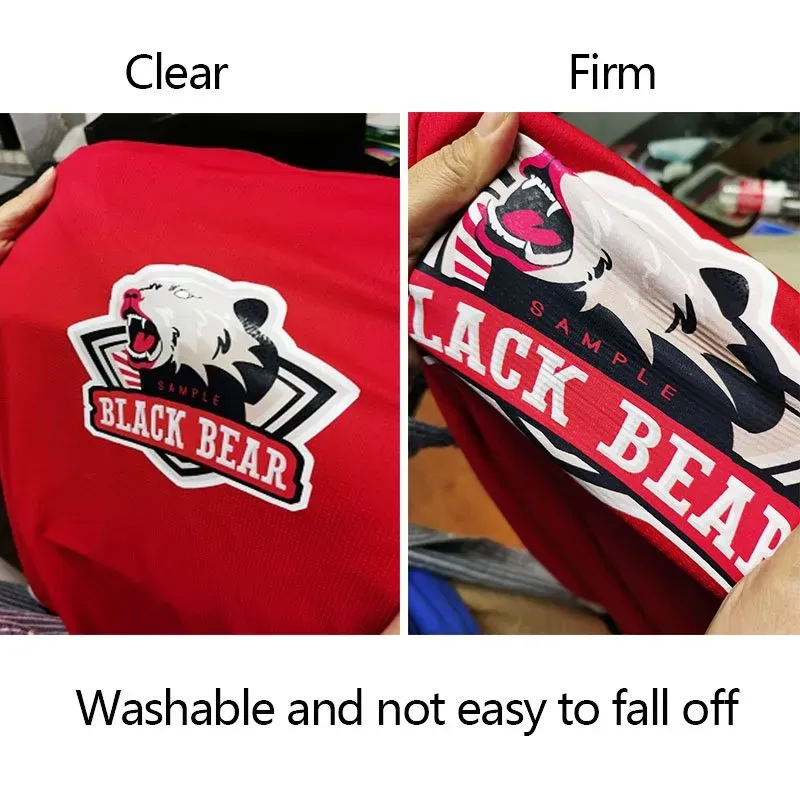
Long-Lasting DTF Transfers on Garments have emerged as a reliable solution for bold colors, a soft hand feel, and durable performance across countless wears, making them a practical choice for brands that scale production without sacrificing quality, consistency, or customer confidence in every order. Real-world longevity comes from careful calibration of every step—from substrate selection and ink density to the curing DTF transfers phase, where proper heat and dwell times lock the pigment and adhesive in place, supporting the broader idea of DTF transfers durability, reducing batch-to-batch variation, and ensuring repeatable results across multiple production runs. Consistency here reduces variability between batches and ensures color fidelity after repeated washing, while also supporting predictable performance on different fabrics and garment weights, so operators can reproduce the same look and feel from a single design brief to a full production run, without surprises. That durability is reinforced by thoughtful care practices, including washing guidelines for DTF transfers, avoiding harsh cycles, turning garments inside out, using mild detergents, and avoiding high-heat dryer stress, all of which preserve adhesion and color integrity over time. To translate theory into practical guidance, the guide discusses pre-press preparation, protective layers, thermal curing targets, and balancing design density with fabric stretch, while emphasizing ongoing testing, data logging, and customer-facing care tips to help brands maintain long-lasting results under diverse conditions and through many washes.
A related discussion can describe the same idea using alternative terms, focusing on robust fabric graphics achieved through film-based transfer methods rather than traditional screen processes. Think of pigment films fused to textiles via a calibrated adhesive and heat, creating a durable layer that resists cracking and fading across cycles, a concept that falls under the broader umbrella of durable garment graphics. In practical terms, people may refer to these outputs as heat-applied film graphics, garment decals, or bonded pigment transfers, with emphasis on substrate compatibility, post-press conditioning, and routine care to maintain vivid color. From a content strategy perspective, emphasizing longevity, colorfastness, and wash resilience in these terms helps readers connect with the same core value without relying on equipment-specific language.
Long-Lasting DTF Transfers on Garments: Best Practices for Durability and Performance
Durability in Direct-to-Film (DTF) transfers hinges on the entire workflow—from fabric choice and substrate prep to adhesive curing and post-press handling. Selecting stable fabrics such as cotton and cotton blends helps promote strong adhesion, while pre-warming the garment can reduce moisture-related distortion during transfer. Paying attention to design simplicity and edge containment can also improve how evenly heat is distributed, contributing to longer-lasting results and a more consistent finish across iterations. In practice, focusing on the synergy between material and process reduces the risk of peeling or cracking over time, delivering true Long-Lasting DTF Transfers on Garments.
Beyond substrate choice, achieving durable results requires careful control of the pressing cycle and cooling sequence. Calibrated temperatures, adequate dwell time, and uniform pressure help the adhesive set correctly, while a mindful post-press cooldown minimizes distortion from rapid temperature changes. This approach aligns with practical DTF printing on garments tips, encouraging field-tested adjustments rather than one-size-fits-all settings. When these factors come together, customers experience vibrant color fidelity that endures through many wears and washes, reinforcing brand reputation and reducing returns.
DTF Transfers Care and Maintenance: Extending Life Across Wash Cycles
Protecting the color and adhesion of DTF transfers begins long before washing day. Establishing clear DTF transfers care procedures—such as recommended water temperatures, cycle choices, and detergent types—helps lock in color density and tactile feel. By emphasizing washing guidelines for DTF transfers, you minimize mechanical wear and fiber abrasion, keeping designs looking sharp after multiple journeys through the laundry. Effective care practices are a practical extension of durability, turning high-quality transfers into products that perform over time.
In addition to wash-care, routine handling and storage play a crucial role in longevity. Avoid exposing freshly printed items to rough handling or tight folds during the cure window, and consider sealing prints from excessive moisture and sunlight during post-processing. This mindset mirrors broader DTF transfers care principles and supports long-term adhesion, ensuring the garment’s surface remains smooth and the print remains legible through many cycles.
Curing DTF Transfers: Achieving a Strong Bond That Lasts
Curing DTF transfers correctly is foundational to a durable bond. The adhesive’s cure parameters—temperature, pressure, and dwell time—must be calibrated to the specific system you’re using. Proper curing minimizes the risk of peeling, cracking, or edge lift as the garment bends and flexes during wear. This focus on effective curing aligns with the broader goal of DTF transfers durability, where a strong initial bond translates into better performance across washing and daily use.
Post-press handling and optional secondary curing can further reinforce adhesion. Allowing a controlled cooldown period helps the adhesive set evenly and reduces micro-shifts that can lead to premature failure. When possible, a light, targeted cure after the main press can enhance durability without compromising color density. Understanding curing DTF transfers in practical terms means testing with representative fabrics and substrates to identify the best balance of heat, time, and pressure for your workflow.
Washing Guidelines for DTF Transfers: Protecting Color and Adhesion
Washing guidelines for DTF transfers are central to preserving both color and bond integrity. Opt for cooler wash temperatures and gentle cycles to minimize mechanical stress on the print. Cold-to-warm water ranges preserve color fidelity and reduce fiber wear, while a normal or gentle cycle with reduced agitation helps maintain edge integrity over time. Following these guidelines reduces color fading and keeps the transfer looking vibrant after many cycles.
Choosing mild detergents and avoiding fabric softeners near the printed area further extends life. Bleach and aggressive chemicals can degrade the adhesive and inks, so sticking with mild formulations helps maintain adhesion. It’s also wise to avoid high-heat drying or prolonged tumble-drying near the print, as heat exposure contributes to edge cracking and color loss. Adhering to washing guidelines for DTF transfers ensures your designs stay sharp through repeated laundering.
DTF Printing on Garments Tips: Design, Substrate, and Process for Longevity
DTF printing on garments tips begin with design decisions that support durability. Favor moderate color densities, clean edges, and compact designs that distribute heat evenly. Simpler, well-contained artwork tends to show better adhesion and resistance to cracking than heavy, edge-heavy patterns on tough fabrics. When paired with stable substrates and careful film handling, these design choices translate into longer-lasting transfers that hold up to routine wear and multiple washes.
Process-wise, follow a disciplined workflow from substrate prep to post-press finishing. Use high-quality DTF film and consistent curing temperatures to ensure uniform ink laydown and adhesive application. Pre-press the garment to flatten wrinkles and remove moisture, then apply the press with even pressure and the appropriate dwell time. By treating each step as an opportunity to optimize durability, you’ll unlock longevity without sacrificing color fidelity, texture, or comfort.
Durability Testing and Quality Control for Long-Lasting DTF Transfers on Garments
Durability testing and quality control are essential to scaling reliable DTF projects. Establish a test protocol that compares cure consistency, adhesion strength, color density, and edge integrity across fabric types. Keeping a log of operating temperatures, dwell times, and pressures for each fabric helps you reproduce successful results and quickly diagnose deviations that may lead to reduced durability.
In practice, implement routine troubleshooting for common issues like peeling, cracking, or color fading. Use sample garments to verify improvements before full production and share findings in a simple reference guide for the team. Regular field updates and feedback loops ensure that durability remains at the forefront of your process, delivering consistently Long-Lasting DTF Transfers on Garments to customers.
Frequently Asked Questions
What are Long-Lasting DTF Transfers on Garments, and why does longevity matter?
Long-Lasting DTF Transfers on Garments are prints designed to resist cracking, fading, and peeling through repeated wear and washes. Longevity depends on fabric choice, transfer quality, adhesive cure, proper pressing, and washing care. By following field-tested steps from design prep to post-press handling, you can deliver durable, vibrant results that stay true after many wears.
How does curing DTF transfers affect durability and long-lasting results on garments?
Curing DTF transfers correctly ensures the adhesive bonds well to the fabric. Use the correct heat press temperature, dwell time, and even pressure, and decide between hot-peel or cold-peel based on your adhesive. Allowing a proper cure window (often 24–72 hours) before washing further improves long-term durability.
What are the washing guidelines for DTF transfers to achieve Long-Lasting DTF Transfers on Garments?
Washing guidelines for DTF transfers should prioritize preserving the bond: wait 24–48 hours after printing before washing, turn garments inside out, use cold to warm water with mild detergents, select a gentle cycle, line dry when possible, and avoid bleach or high-heat tumble drying to extend transfer life.
What pressing parameters maximize DTF transfers durability and ensure long-lasting DTF transfers on garments?
Aim for a temperature around 160–170°C (320–338°F), a dwell time of 12–15 seconds, and firm, even pressure. Pre-press for wrinkle removal, use a protective sheet, and perform tests on your substrates. Hot-peel is often recommended, but cold-peel can work with certain adhesives and fabrics.
What care steps are recommended in DTF transfers care to extend garment life?
DTF transfers care includes letting the adhesive fully set after pressing, waiting 24–72 hours before aggressive washing when possible, turning garments inside out, using mild detergents, and avoiding fabric softeners near the print. Proper drying and avoidance of direct ironing on the print further protect longevity.
What practical DTF printing on garments tips help maximize durability of transfers?
DTF printing on garments tips include using high-resolution designs (300 dpi at print size), selecting fabrics with stable fibers, conducting test prints, segmenting large or multi-color designs for even heat distribution, maintaining equipment, and keeping a simple settings log to optimize durability across different fabrics.
| Topic | Key Points |
|---|---|
| What DTF transfers are | DTF uses a PD film printed with pigment inks, then covered with adhesive powder and cured to create a heat-pressed transfer with strong adhesion, color fidelity, and a flexible finish. |
| Why longevity matters | Customers expect garments to look great after many wears and washes; durability reduces returns, boosts brand reputation, and improves overall satisfaction. |
| Key longevity factors |
|
| Fabric considerations |
|
| Step-by-step guide (highlights) |
|
| Care and maintenance to preserve |
|
| Common issues and troubleshooting |
|
| Best practices and tips |
|
Summary
HTML table created with key points from the base content, organized into topics and concise summaries.